 Trusted by over 500,000 customers for 20+ years
 Order online or call
01480 775454
Order online or call
01480 775454
 Sign in
Trusted by over 500,000 customers for 20+ years
Order online or call
01480 775454
Sign in
Trusted by over 500,000 customers for 20+ years
Sign in
Trusted by over 500,000 customers for 20+ years
Order online or call
01480 775454
Sign in
Trusted by over 500,000 customers for 20+ years












Written by
Jenna Culy
on 13 Jun 2022
and updated on
30 Sep 2026
Categorised in
Tips and Advice
Summer is the ideal time to carry out heating oil tank maintenance. While your heating system is likely switched off during warmer months, taking a few simple steps now can help prevent common heating oil tank problems such as sludge build-up, condensation, leaks, and costly winter breakdowns.
Following a simple oil tank maintenance checklist during the warmer months can help keep your tank in excellent condition and ensure your heating system is ready when temperatures drop.
Here are five ways to keep your tank in excellent condition:
Even though heating oil is usually associated with colder months, it's worth considering your supply during the summer. With prices currently more volatile due to global factors, trends can be less predictable, but demand is typically lower during the warmer months. Topping up your tank now could help you stay prepared ahead of winter, and keeping it full can also reduce the risk of oil tank sludge build-up.
It's easier than ever to keep on top of your heating oil supply, thanks to automatic top-up services like BoilerJuice Connected. This type of service monitors your tank levels and arranges deliveries when needed, helping to remove the hassle of reordering. By signing up, you can benefit from competitive local pricing without needing to manage it yourself and also reduce the risk of running out.
Warmer weather often brings higher humidity, which can impact your heating oil tank. Changes in temperature and moisture levels can increase the likelihood of condensation forming inside the tank, particularly if it isn't full, as the extra space allows moisture to build up more easily.
Water in your heating oil tank can lead to more serious issues over time, including the formation of sludge and the growth of bacteria within the tank.
When water mixes with heating oil, it creates the ideal condition for bacteria to grow, leading to oil tank sludge build-up. This sludge can block filters and pipes, causing disruption to your heating system, which often only becomes apparent when you first switch your heating back on in colder weather.
After each oil delivery, it's important to check that vent and fill caps are secure. These caps help prevent air, water, and debris from entering the tank, reducing the risk of water in your heating oil tank, sludge build-up, boiler issues, and potential oil leaks that could harm your property and the environment.
Checking seals regularly is a simple but important part of any heating oil tank maintenance routine.
An annual heating oil inspection by a qualified OFTEC engineer is recommended, ideally scheduled during the summer after peak winter use. An OFTEC oil tank inspection can help identify signs of corrosion, leaks, damaged fittings, or contamination before they develop into more serious problems.
The engineer will check for damage and ensure all pipe connections are secure and clean, often as part of a routine boiler service, though it's worth confirming this in advance.
Regular maintenance helps reduce the risk of oil spills, which can be costly to clean up and harmful to the environment.
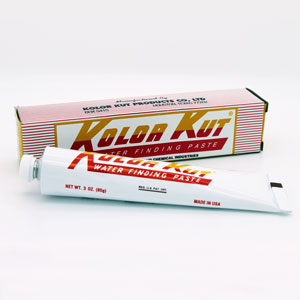
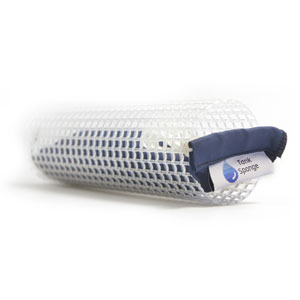
To check for moisture in your tank, you can use a simple water detection paste. If water is present, a removal sponge can help absorb it without affecting your oil.
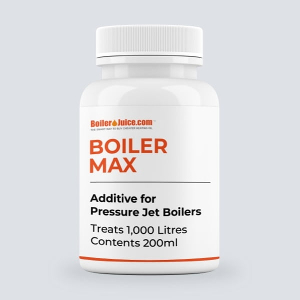
In cases where there is more severe sludge or bacterial growth, a specialist's treatment can be added to the oil to neutralise it. To help prevent such issues, you can reduce the risk of moisture build-up by keeping your tank as full as possible and using an additive with each fill.
From checking for moisture to improving fuel quality, these simple tools can help you stay on top of your oil tank's condition throughout the year. Whether you're carrying out a routine check or preparing for winter, they're designed to make tank care easier.
£31.19
£35.33
From £25.99 per bottle
It’s easy to focus on the fuel inside your tank, but the condition of the tank itself is just as important. An annual boiler service ensures your tank remains structurally sound, helping to prevent leaks, contamination, and costly repairs down the line.
By taking care of your tank, you’re not only protecting your heating oil but also safeguarding your home and avoiding unnecessary expenses. A well-maintained tank supports the overall efficiency of your heating system, giving you peace of mind that everything will continue running smoothly when you need it most.
Many homeowners ask how often an oil tank should be serviced. While regular visual checks are recommended throughout the year, a professional heating oil inspection should ideally be carried out annually by a qualified OFTEC engineer.
The most common cause of water in a heating oil tank is condensation. Damaged caps, seals, or fittings can also allow moisture to enter the tank.
Common heating oil tank problems include condensation, sludge build-up, water contamination, corrosion, leaks, and damaged pipework.
Yes. Oil tank sludge can block filters and fuel lines, reducing efficiency and potentially causing breakdowns when your heating system is neededthe most.



 Price Charts